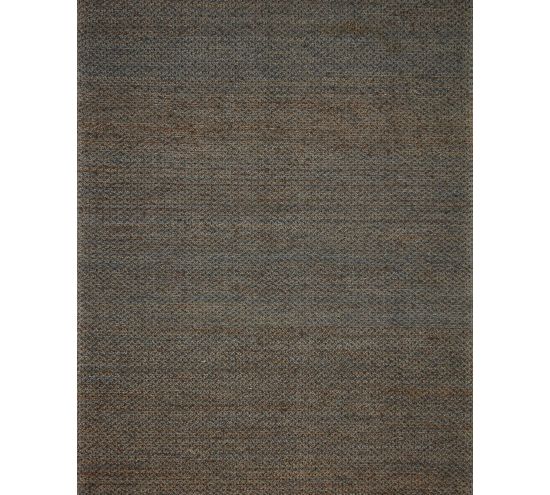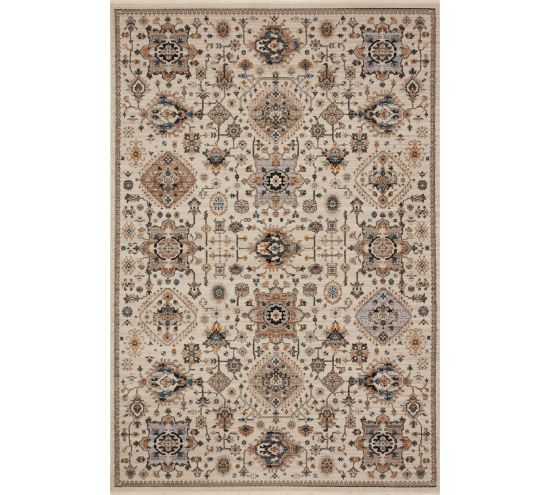

Rugs tufted versus machine woven
Rugs Tufted (the process):
A wood frame is assembled slightly larger than the finished rug size. A material which resembles a window screen is tacked to the wooden frame. A yarn gun (resembles a large glue gun) is used to push the various yarn colors through the window screen material to produce the pattern you see. Once the rug is entirely created, the wood frame is placed face down on the floor. A latex adhesive is spread over the back of the rug and then a second backing is rolled over the adhesive. This is done to lock the yarns in place--otherwise the yarn would just come out of the rug when it was vacuumed. Once the secondary backing dries, the rug is flipped over (face up) and trimmed with a large set of clippers that looks like a hair trimmer (only much larger). Once that is done, the rug is vacuumed and rolled up for shipment.
Rugs Woven (the process):
A machine sends a single backing yarn the width of the rug from one side to the other. At the same time a yarn is sent over that single backing yarn, while another backing yarn is sent the width of the rug from one side to the other. This process is repeated very quickly over and over until the entire rug is made. Because the backing yarns in this process are very tight, there is no worry that the face yarn (the yarns that make up the pattern) will come loose, so no secondary backing is applied.
This sort of rug is typically much thinner than it's hand made counterpart. That said, a wilton woven area rug is of high quality and has characteristics that are not shared by it's hand tufted counter part. For instance a wilton rug can be steam cleaned a countless number of times while it's hand tufted counterpart (first process described) can only be steamed a few dozen times at best before the secondary backing starts to loosen up from the water and steam and the rug breaks down.
A wood frame is assembled slightly larger than the finished rug size. A material which resembles a window screen is tacked to the wooden frame. A yarn gun (resembles a large glue gun) is used to push the various yarn colors through the window screen material to produce the pattern you see. Once the rug is entirely created, the wood frame is placed face down on the floor. A latex adhesive is spread over the back of the rug and then a second backing is rolled over the adhesive. This is done to lock the yarns in place--otherwise the yarn would just come out of the rug when it was vacuumed. Once the secondary backing dries, the rug is flipped over (face up) and trimmed with a large set of clippers that looks like a hair trimmer (only much larger). Once that is done, the rug is vacuumed and rolled up for shipment.
Rugs Woven (the process):
A machine sends a single backing yarn the width of the rug from one side to the other. At the same time a yarn is sent over that single backing yarn, while another backing yarn is sent the width of the rug from one side to the other. This process is repeated very quickly over and over until the entire rug is made. Because the backing yarns in this process are very tight, there is no worry that the face yarn (the yarns that make up the pattern) will come loose, so no secondary backing is applied.
This sort of rug is typically much thinner than it's hand made counterpart. That said, a wilton woven area rug is of high quality and has characteristics that are not shared by it's hand tufted counter part. For instance a wilton rug can be steam cleaned a countless number of times while it's hand tufted counterpart (first process described) can only be steamed a few dozen times at best before the secondary backing starts to loosen up from the water and steam and the rug breaks down.